
Let's Talk Running

You can run the pace.
You’ve done it in training.
Maybe you can comfortably run a few miles at your target half-marathon pace. Perhaps you can hit marathon pace during a long run. You might even be able to run faster than race pace during intervals.
Then race day arrives.
The first few miles fee...
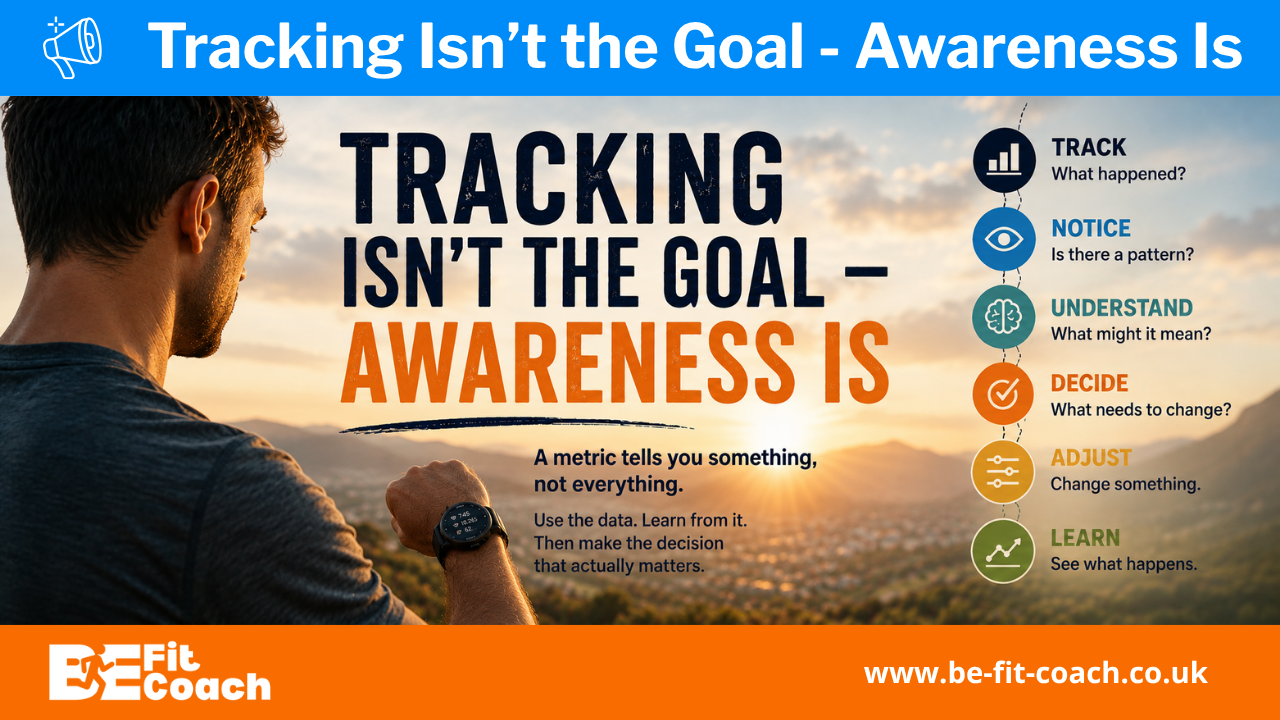
We can track almost anything now.
Calories. Protein. Body weight. Steps. Pace. Heart rate. Sleep. Training load. Recovery scores.
And tracking can be genuinely useful.
I use it in coaching. I use it myself. There are plenty of situations where having an objective number gives us information we si...

One of the easiest ways to measure progress in running is to look at the numbers.
You ran 15 miles this week. Maybe 16 or 17 next week. Then 18.
Your long run goes from six miles to seven, then eight.
It feels logical. If you want to get better at running, at some point you probably do need to b...
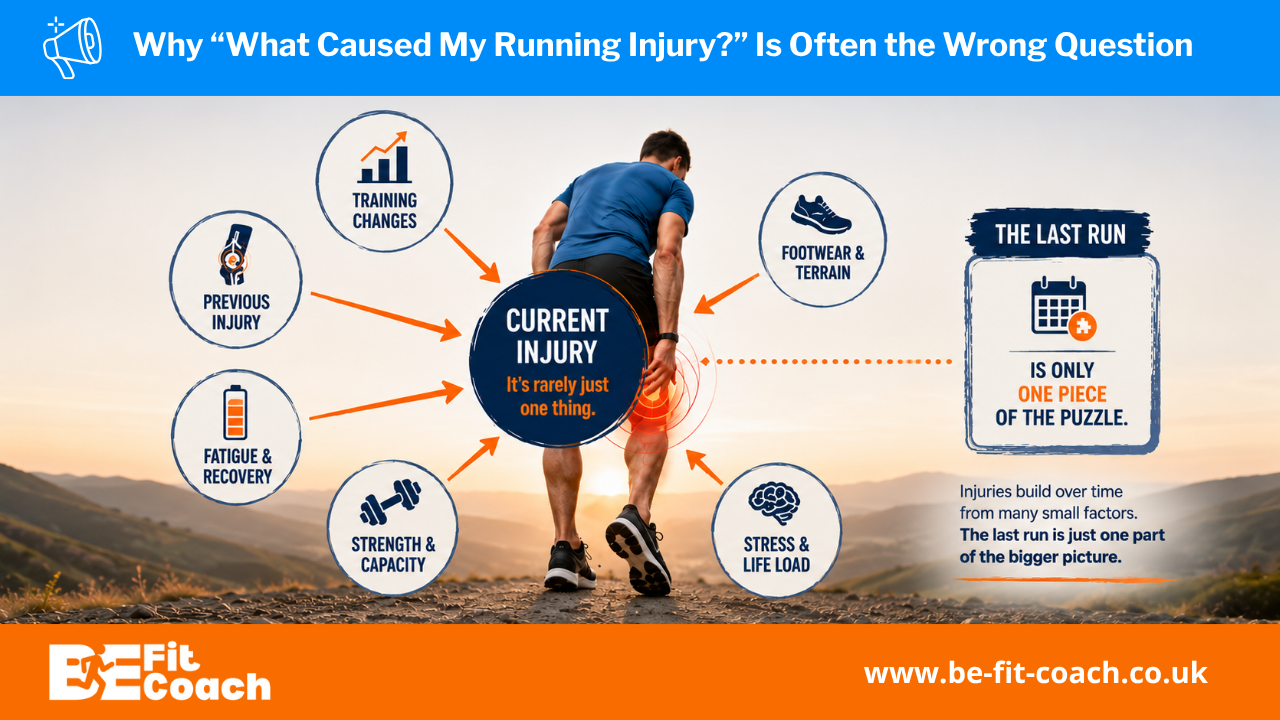
You get a pain in your knee after a run.
Your Achilles starts grumbling.
Or that calf problem you thought had gone suddenly appears again.
The natural question is:
What caused it?
Was it the new shoes?
The hill session?
Your running technique?
Weak glutes?
Running too far?
Sometimes there ...
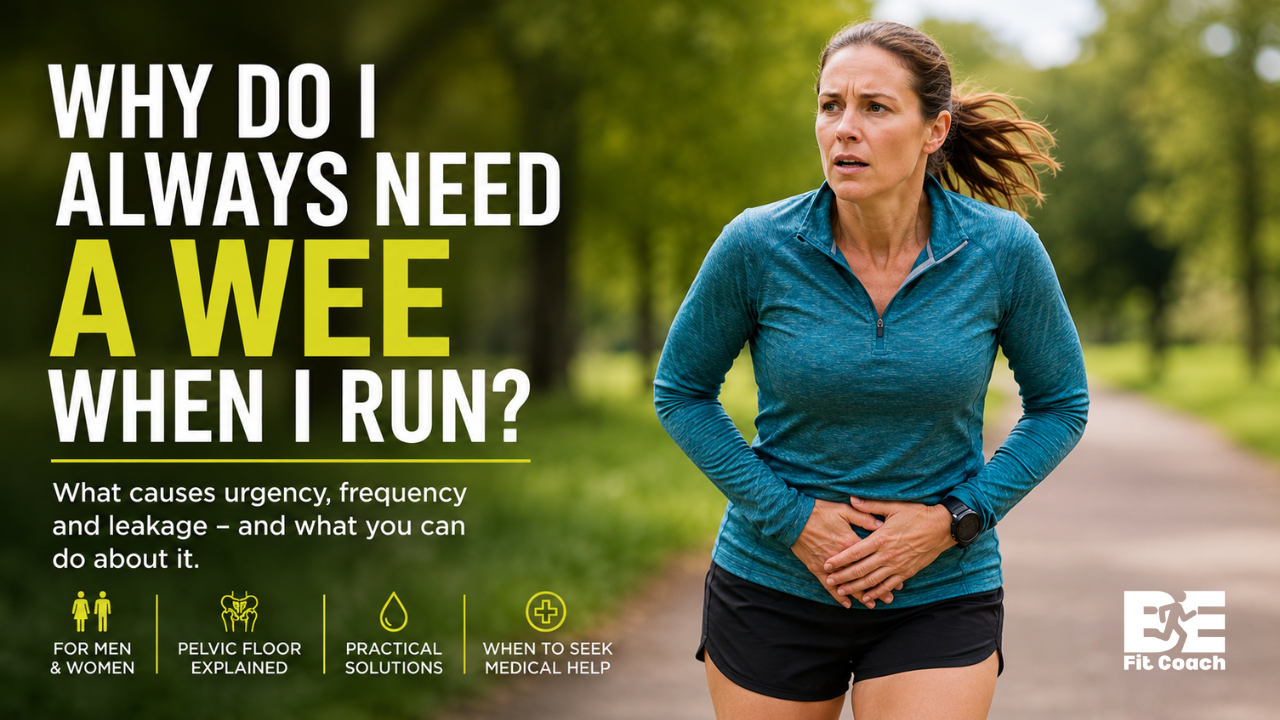
You go to the toilet before leaving home.
You start running and everything feels fine.
Then, ten or fifteen minutes later, you suddenly feel as though you desperately need another wee.
Sometimes there is only a small amount when you stop.
Sometimes your bladder genuinely is quite full.
Then,...

You can now create a running plan in seconds.
Tell an app or AI tool your current weekly mileage, how many days you can train and what race you are preparing for, and it may give you a perfectly sensible schedule.
It can organise your easy runs, long runs and harder sessions. It may suggest target...

Have you ever been out for a run and thought:
“My legs feel like they could keep going, but my breathing is the thing stopping me”?
If so, you are definitely not on your own.
This is one of the most common things I hear from beginner runners, returning runners, and even more experienced runne...
Running itself will always be the foundation of better running.
But if you want to become a stronger, more efficient runner, it is not just about logging more miles. It is also about how well your body can produce force, absorb force, stay stable, and hold good form when fatigue starts to build.
T...

Introduction
Runners often don’t take advantage of the tech they are carrying with them, which makes managing and tracking their sessions, particularly interval sessions, more difficult than they need to be. You already have to focus on your running, breathing, maintaining form, etc; so why make t...

Introduction
If you've ever experienced a soft tissue injury, such as a sprain, strain, or a pull; you have probably been advised to follow the R.I.C.E. protocol. Or at least, the "I" component of that, which stands for Ice, i.e. to put ice on the affected areas as soon as possible and at regular t...

Introduction
You make a decision to improve your running and pay for a program, or for coaching, but how do you know it's working? How do you know it was worth the investment in time, effort and money?
Most people will follow a plan and then check at the end if it's made a difference by completin...

Summary
Easy runs are an important part of your running training and should not be underestimated. They provide a number of benefits that I outline in this week's video. The 6 key areas covered are summarised below. Easy runs help to:
- Build Injury Resistance - spend time running without ...