
Let's Talk Running

You can run the pace.
You’ve done it in training.
Maybe you can comfortably run a few miles at your target half-marathon pace. Perhaps you can hit marathon pace during a long run. You might even be able to run faster than race pace during intervals.
Then race day arrives.
The first few miles fee...
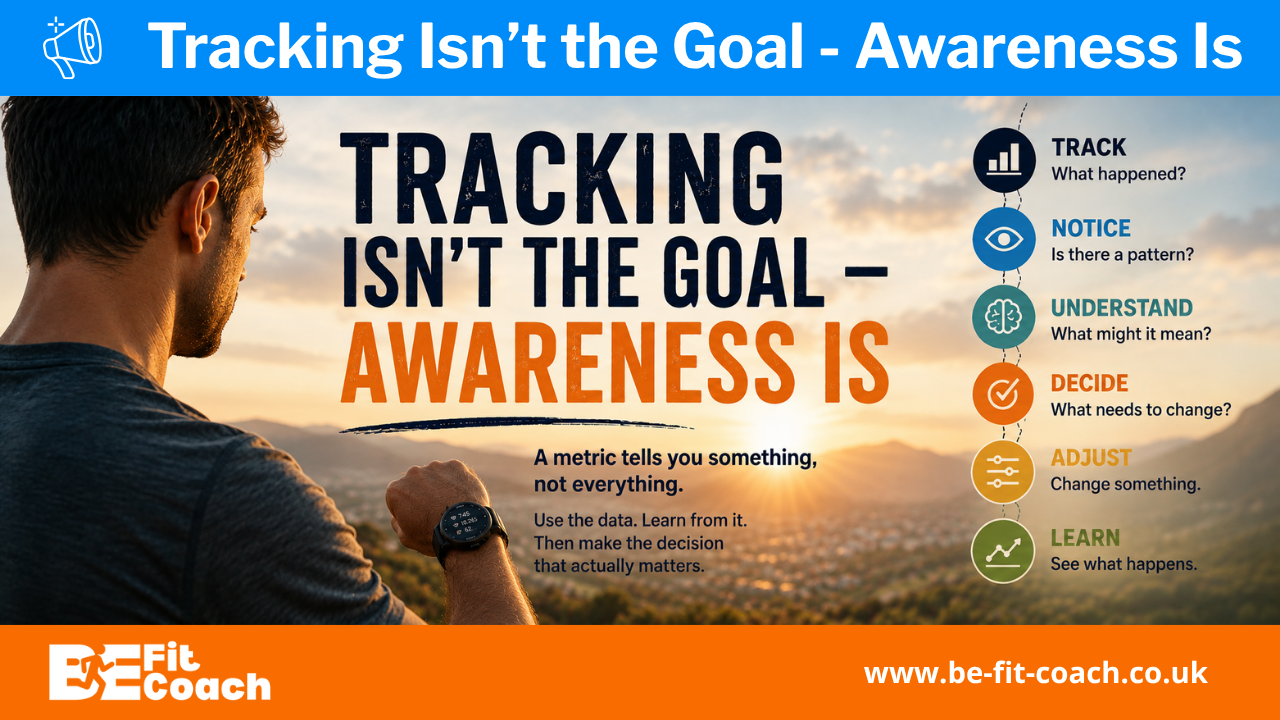
We can track almost anything now.
Calories. Protein. Body weight. Steps. Pace. Heart rate. Sleep. Training load. Recovery scores.
And tracking can be genuinely useful.
I use it in coaching. I use it myself. There are plenty of situations where having an objective number gives us information we si...

Do you need carbohydrate during your run?
For plenty of runs, the answer is no.
If you're heading out for 30 or 40 minutes at an easy pace, taking a gel is unlikely to make any meaningful difference.
But as the run gets longer, harder or more important, carbohydrate becomes more useful.
The prob...

One of the easiest ways to measure progress in running is to look at the numbers.
You ran 15 miles this week. Maybe 16 or 17 next week. Then 18.
Your long run goes from six miles to seven, then eight.
It feels logical. If you want to get better at running, at some point you probably do need to b...
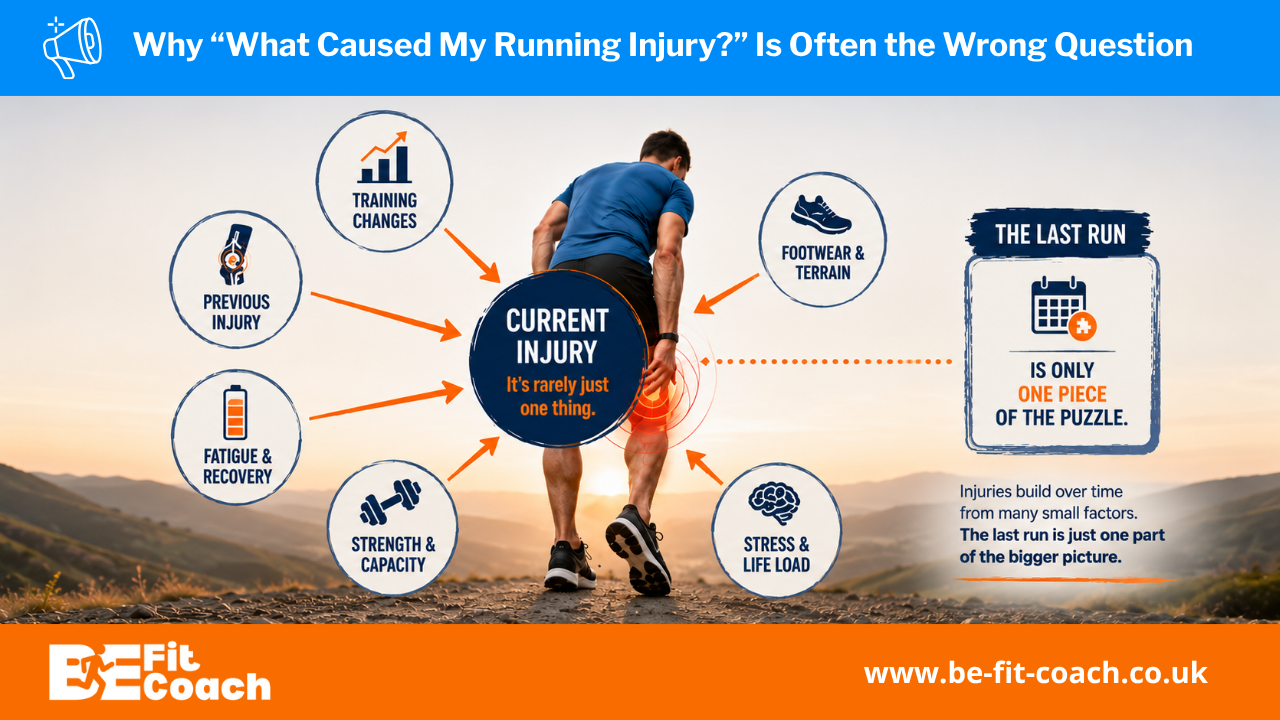
You get a pain in your knee after a run.
Your Achilles starts grumbling.
Or that calf problem you thought had gone suddenly appears again.
The natural question is:
What caused it?
Was it the new shoes?
The hill session?
Your running technique?
Weak glutes?
Running too far?
Sometimes there ...

Your daily protein intake matters most, but how you spread it across the day may still be worth thinking about.
If you track your protein, you might recognise this sort of day.
Toast for breakfast.
A sandwich at lunch.
Maybe a snack during the afternoon.
Then a large evening meal, followed by a...
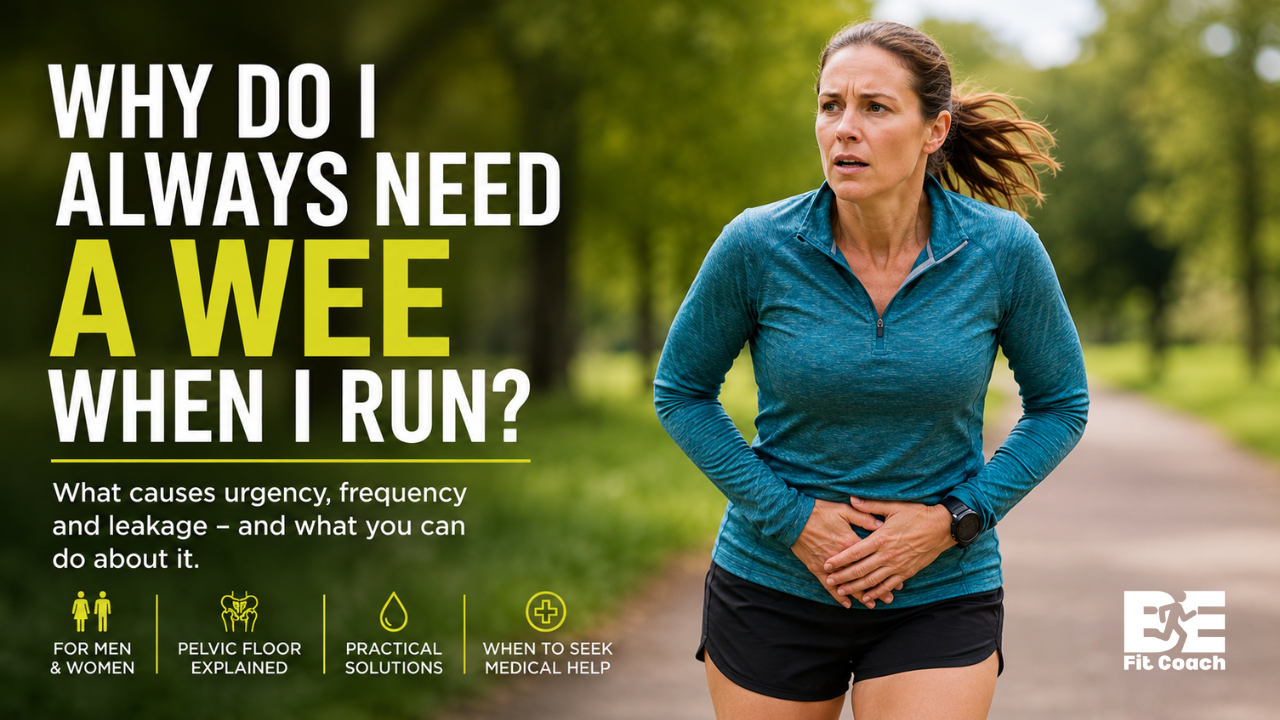
You go to the toilet before leaving home.
You start running and everything feels fine.
Then, ten or fifteen minutes later, you suddenly feel as though you desperately need another wee.
Sometimes there is only a small amount when you stop.
Sometimes your bladder genuinely is quite full.
Then,...
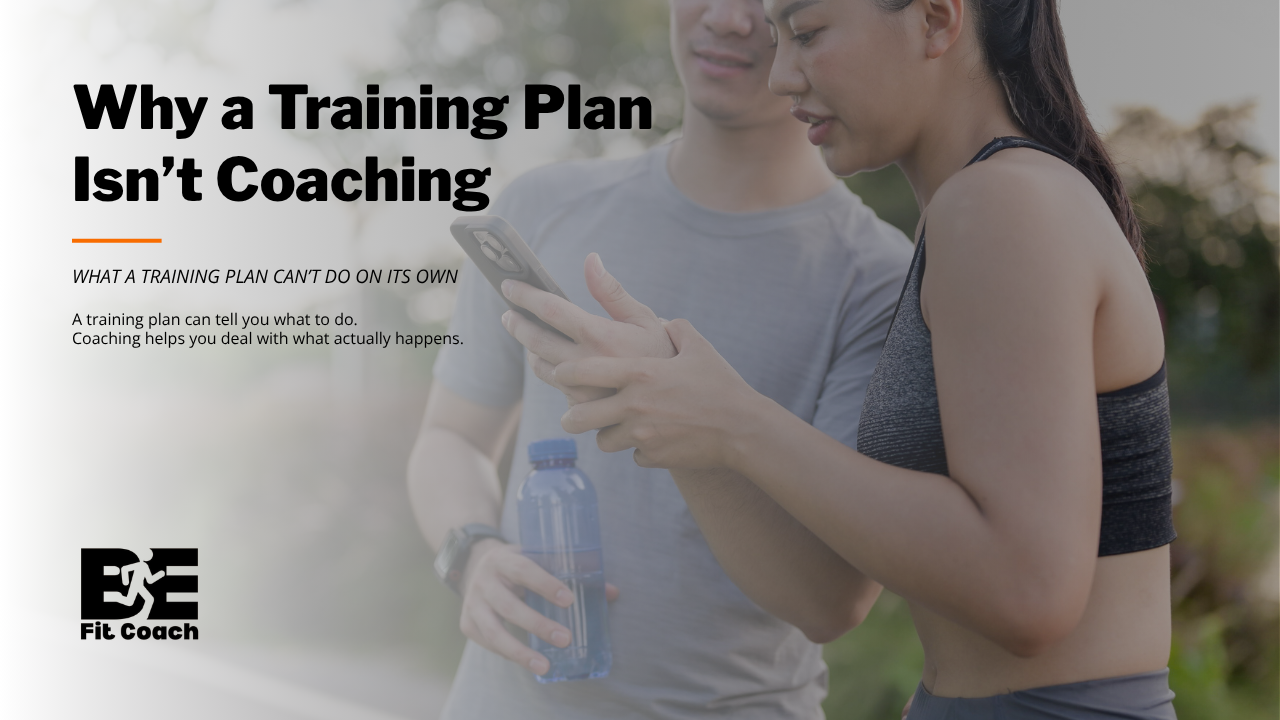
You can now create a running plan in seconds.
Tell an app or AI tool your current weekly mileage, how many days you can train and what race you are preparing for, and it may give you a perfectly sensible schedule.
It can organise your easy runs, long runs and harder sessions. It may suggest target...
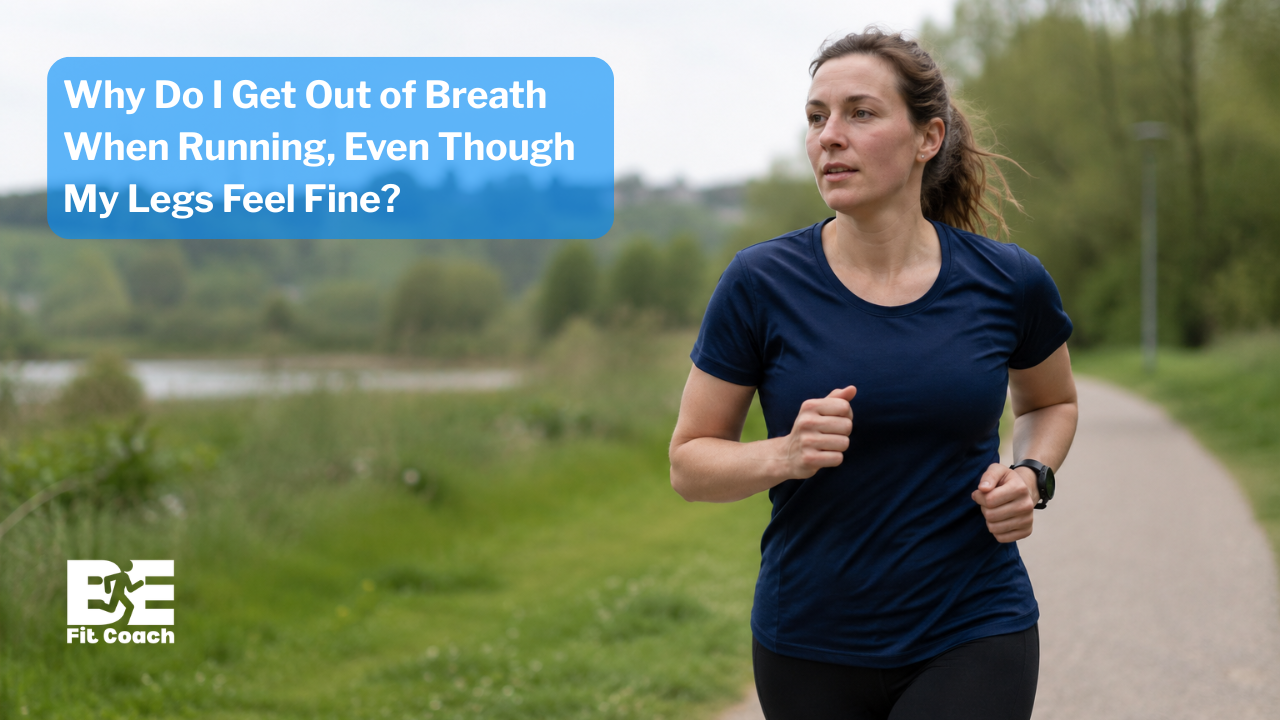
Have you ever been out for a run and thought:
“My legs feel like they could keep going, but my breathing is the thing stopping me”?
If so, you are definitely not on your own.
This is one of the most common things I hear from beginner runners, returning runners, and even more experienced runne...
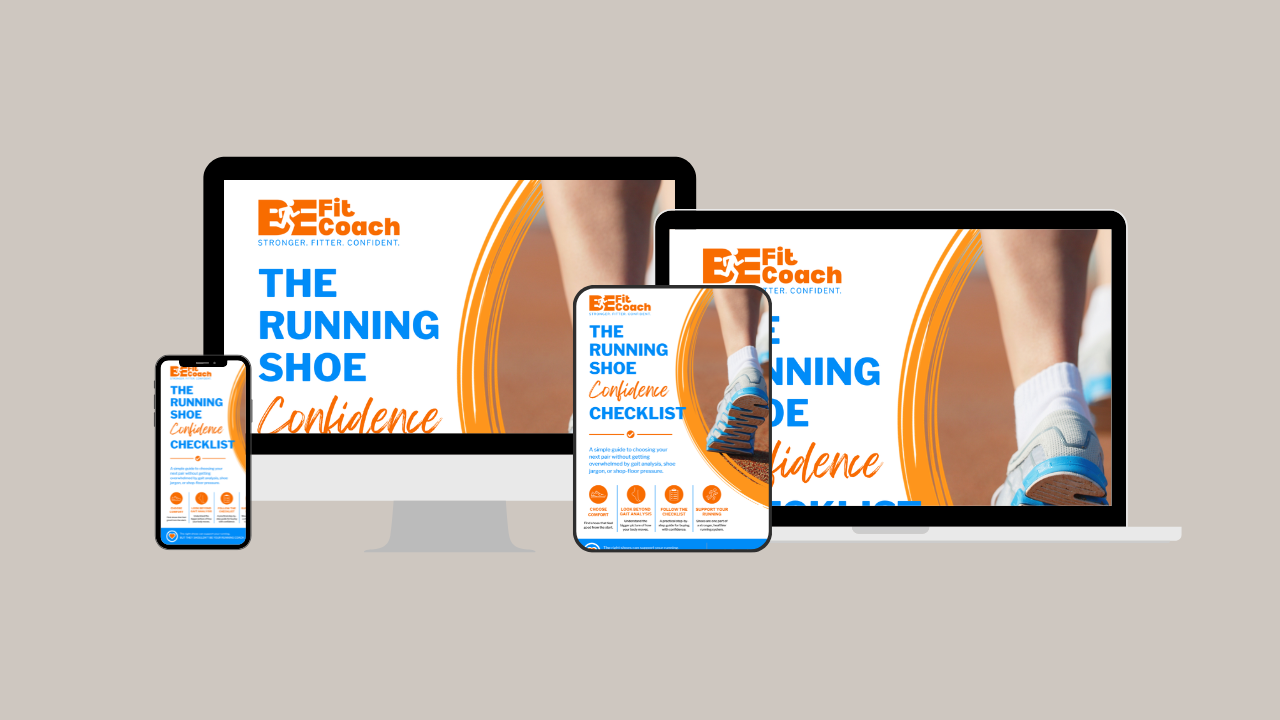
Choosing running shoes can feel far more confusing than it needs to be.
Neutral shoes. Stability shoes. Support shoes. Motion-control shoes. High-drop. Low-drop. Cushioned. Minimalist. Carbon-plated.
Then, just when you think you have narrowed things down, someone tells you:
“You need to go to a ...
Running itself will always be the foundation of better running.
But if you want to become a stronger, more efficient runner, it is not just about logging more miles. It is also about how well your body can produce force, absorb force, stay stable, and hold good form when fatigue starts to build.
T...

Introduction
It's all too easy to misinterpret abdominal pain when running as being the dreaded stitch but there are a number of other problems that can feel like a stitch.
Summary
- The stitch runners can experience when running does not yet have a conclusive explanation (in last week's blog, we ...